The Rise of Chatbots and AI Assistants.
Welcome to the world where messaging apps are slowly becoming new platforms of convenience and customers expect to unlock a universe of information using only their voice.
Today 6 out of the top 10 mobile apps are messaging apps.
Over a third of customers prefer social media over telephone conversations for customer support.
Over 1 billion messages are sent between people and businesses every month on Facebook Messenger.
There’s a Bot for That: The Next Big Shift in Human-Tech Interaction
The rise of messaging apps, social media, mobility, cloud, the Internet of Things, and landmark breakthroughs in machine learning, natural language processing, and cutting edge technologies like neural networks have revolutionized the way consumers interact with devices.
The future of computer-human interaction will be enabled by everything from intelligent assistants, conversational interfaces, smart devices, and even immersive virtual reality.
Customer digital assistants will recognize customers’ face by voice across channels and partners
By the close of 2019, personal assistants will hold a place in smartphone interactions.
By 2020, 85% of customer interactions will be managed without a human.
What is a Chatbot or Intelligent Assistant?
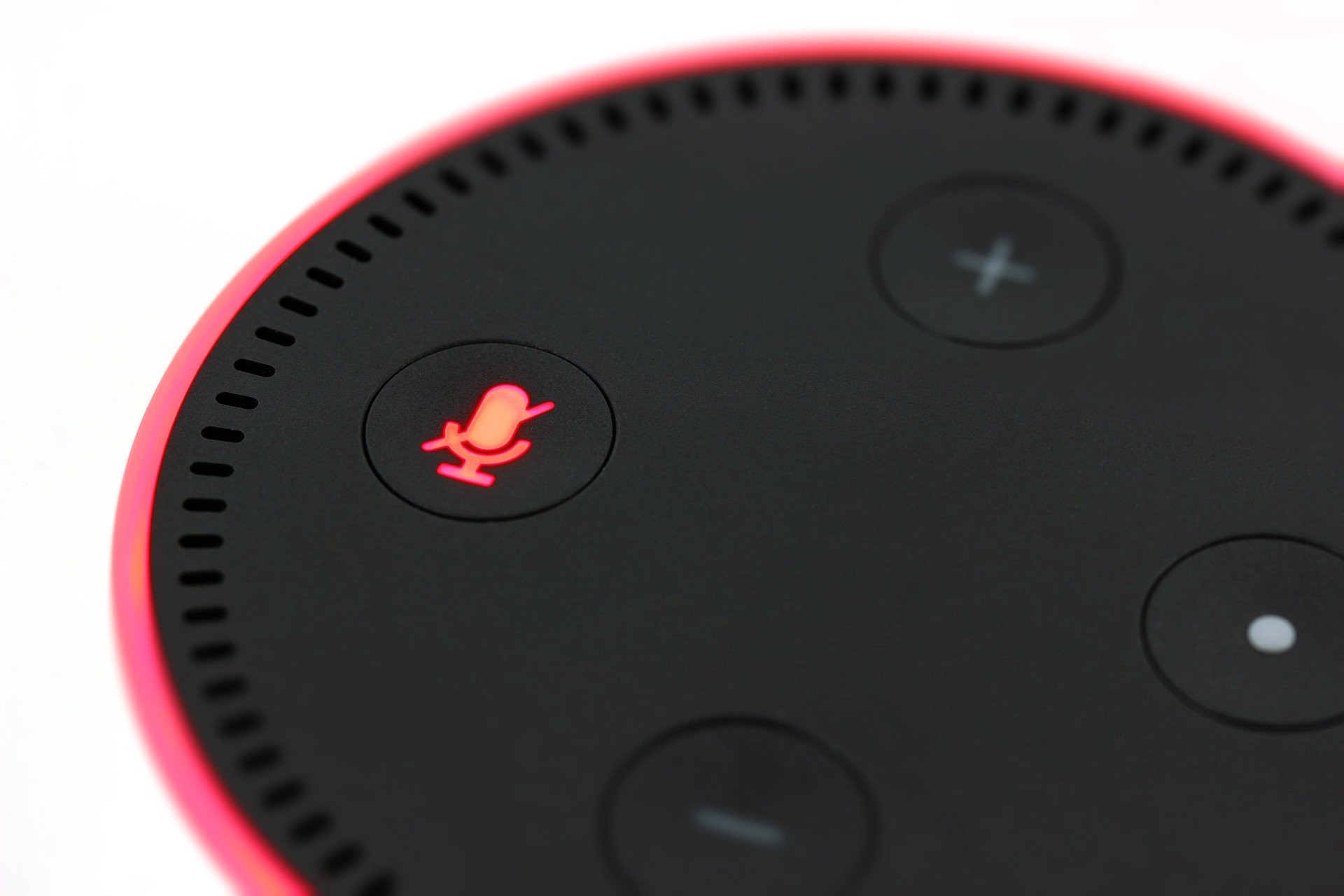
A Chatbot is a conversational user interface using voice, text, or images. It is powered by artificial intelligence techniques and natural language processing, image and video processing, and audio analysis to extract contextual meaning and user intent, then respond with human-like intelligence.
These data-driven answer engines can interact with apps and humans in real-time with an easy-to-use conversational interface to deliver business value or achieve an outcome — and consumers love it. Evidence: 18,000 bots were released in Facebook Messenger between Feb and July 2016. It took Apple over seven months to reach that mark with apps.
Artificial intelligence technology, combined with the rapid proliferation of messaging apps, has made chatbots a glamorous tool for enterprises today. Artificial intelligence and speech recognition are primers for chatbot development. Google, Apple (Siri), Microsoft (Cortana), Amazon (Alexa), IBM (Watson) and Facebook (Messenger) all offer platforms for developers to deploy their chatbots
8 Reasons To Deploy Next-Gen Branded Bots
Conversations are the next interaction layer — 41% of US adults use voice search daily, Google voice queries have risen more than 35x from 2008 to today, and by 2020, 50% of all searches will be voice searches.
Smart organizations are adapting to an AI-first world, where intelligent agents rewrite the rules for customer engagement and interactions with brands. Businesses across sectors have introduced chatbots to level up their customer experience game.
1. Enable Cognitive Digital Experiences.
Invisible, conversational, and voice-based interfaces like Siri, Google Now, Cortana, and Alexa are set to unleash conversational mobile moments, expanding the range of digital experiences beyond multi-touchpoint brand presences. They allow customers to interact with devices more intuitively and bring new levels of convenience through voice control. Vocal interactions extend your web experiences to multiple activities, including on-the-go scenarios like driving.
2. Unlock the Potential of an Intelligent Interaction Layer.
There are positive correlations between business growth and customer satisfaction. Bots help create a more proactive and personalized communication to serve convenient, contextual, and delightful experiences to all satisfy their customers
3. Simplify Purchases with Conversational Commerce.
Brands and retailers can to connect with consumers in a more personalized way via messaging apps and using AI-powered chatbots. By remembering customer preferences through past interactions and conversations, analyzing purchase history, customer profile, browsing data, and unique customer queries, bots can offer personalized product suggestions to all consumers and even encourage appropriate impulse buys.
4. Provide Effortless 24/7 Availability.
With the ability to answer a customer or a potential customer’s query at any time of the day is possible via chatbots. Chatbot answers are instantaneous and help increase the number of customer interactions with brands.
Chatbots can also reduce the cost of customer care or even replace the need for customer service agents.
5. Deliver the Right Product or Service.
Chatbots can help fill in the gap of providing knowledgeable assistance to shoppers when they are at online stores or in the middle of a financial transaction. Chatbots help customers find the right products and services to fit their needs.
6. Natural Interface.
Users can say or type what they want, and even compress multi-step tasks of navigating through an interface or website into a single command, when first-time buyers find a product, service or business model too complicated, bots can breakdown the jargon and make the onboarding experience easier.
7. The Simplicity of Platforms.
Chatbots are available on platforms that are easily accessed by people every day. Typical platforms include Facebook Messenger, KIK, Telegram, Slack.
8. Multiple Interactions.
Chatbots can respond and interact with multiple users at a single time more effectively. Also, chatbots provide consistent interaction.

© Copyright Pazhani Ragunathan All Rights Reserved
Designed in Space, Crafted with ❤